Iran latest: View from the border / Trump strong-arms allies
TL;DR
President Trump faces diplomatic isolation after failing to rally allies to secure the Strait of Hormuz, while NPR correspondents report from Iraq on the humanitarian catastrophe in Iran and the military impossibility of unilateral maritime security against asymmetric warfare.
🎙️ Reporting from the Border 3 insights
Erbil as strategic vantage point
NPR's Arzu Razani reports from Iraq's Kurdistan region where the US consulate and military base face regular drone attacks from Iran and Iranian-backed militias, offering a direct view of the conflict's fallout.
Refugee terror at the border
At the Iran-Iraq border crossing, refugees terrified of speaking describe unbearable conditions combining airstrikes with Iran's internal crackdown, with one elderly woman breaking down to say she wished the strikes had killed her.
Total information blackout
Iran's intense internet shutdown has reduced connectivity to 1% at times, making it virtually impossible for journalists to contact sources inside the country or verify their safety.
⛽ The Hormuz Standoff 3 insights
Trump's diplomatic isolation
After demanding NATO allies help secure the Strait of Hormuz, Trump pivoted to claiming 'we don't need them' when European and Asian partners refused to join the war.
Asian economies most vulnerable
While the US faces price shocks, Asian allies face physical shortages with Japan importing 90% and South Korea 70% of crude oil through the strait, complicating Trump's coalition-building.
Carq Island vulnerability
As Iran's primary oil processing hub handling 2 million barrels daily, attacks on Carq Island's facilities could spike world oil prices by removing 2% of global supply, creating economic blowback for the US.
⚔️ Military Reality Check 3 insights
Geographic advantage to Iran
The strait's two-mile-wide shipping channels and 500-mile Gulf coastline give Iran asymmetric advantages, with over 1,000 ships currently backed up despite the presence of 20 US naval warships.
Asymmetric warfare dilemma
Despite US destruction of Iran's mine-laying ships and traditional navy, small mobile weapons including cheap drones and fast patrol boats make total security of commercial shipping virtually impossible for any single nation.
No clean exit strategy
Unlike early war stages, Trump now faces a self-created crisis at Hormuz that cannot be abandoned without leaving high oil prices and a weakened but potentially more radicalized Iranian regime.
Bottom Line
President Trump cannot easily exit the war he started without resolving the Strait of Hormuz blockage and high oil prices, yet securing the waterway alone against Iran's asymmetric warfare tactics is militarily impractical and diplomatically impossible after alienating allies.
More from How I Built This (NPR)
View all
Iran “deal” / Winners and losers / Regional impact
A preliminary three-page US-Iran deal ends four months of war by reopening the Strait of Hormuz and launching 60-day nuclear negotiations, revealing a dramatic reshuffling of regional power that strengthens Iran's regime, isolates Israel, and exposes growing rifts between Washington and its traditional Middle East allies.

Vogue's new leader on why the magazine still matters | Newsmakers
Chloe Malle, the new head of editorial content for American Vogue, discusses her unconventional career path from real estate reporter to fashion authority, arguing that Vogue's curation and authority matter more than ever in an era of digital noise and global uncertainty.
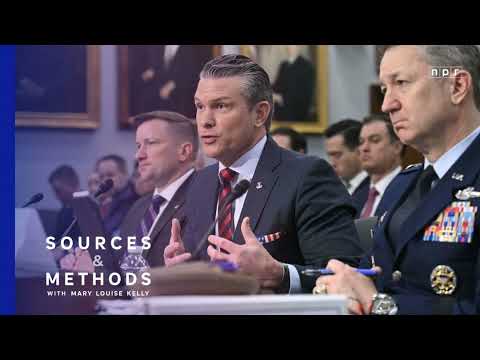
Hegseth blocks promotions / National Guard surge / Downed Apache
Defense Secretary Pete Hegseth is blocking promotions of 24 officers—60% Black or female—without explanation and firing dissenting leaders like General Randy George, creating a climate of fear at the Pentagon, while National Guard troops surge in DC and other cities for crime patrols despite limited effectiveness.
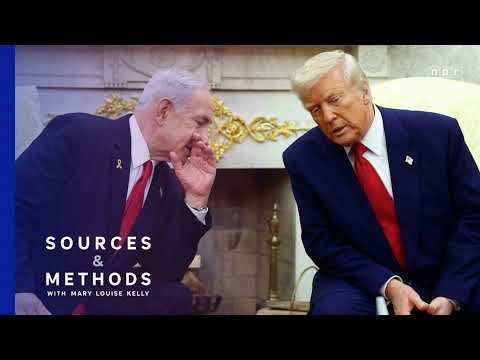
Trump, Netanyahu at odds / Elusive Iran deal
President Trump and Israeli Prime Minister Benjamin Netanyahu are increasingly at odds over how to end the war with Iran, with Trump pursuing diplomatic negotiations while Netanyahu pushes for continued military escalation, creating friction that threatens to undermine potential deals.