Press gala shooter / Political violence / Iran war price tag
TL;DR
NPR security correspondents analyze the third assassination attempt on President Trump at the White House Correspondents' Dinner, examining suspect Cole Allen's background and motives while debating whether the Secret Service response constituted a security success or systemic failure.
🔍 The Suspect and Alleged Motive 3 insights
Cole Allen's educational background and employment
The 31-year-old suspect from Torrance, California, graduated from Caltech in 2017 with a mechanical engineering degree and worked as a tutor preparing students for college entrance exams.
Religious framing of alleged motive
Defense filings describe Allen as a devout Christian who allegedly viewed the attack as religious duty, citing pre-attack emails rejecting pacifism while referencing administration immigration policies and declaring he would not turn the cheek.
Methodical cross-country preparation
Allen allegedly planned the attack for days, taking a train from California and booking a room at the Hilton Hotel in advance to position himself within the security perimeter undetected.
🛡️ Security Response Debate 3 insights
Security professionals cite perimeter success
Law enforcement officials argue the layered security worked as designed, stopping Allen seconds after breaching the outer perimeter with scores of armed agents positioned between him and the ballroom.
Criticism of hotel vulnerability
Presidential allies and congressional critics contend allowing armed individuals to check into the same 1,100-room hotel as the president constitutes unacceptable risk, reviving debate over constructing a dedicated secure White House ballroom.
Historical context of venue risks
The Washington Hilton has hosted the correspondents dinner for approximately 50 years and was the site of the 1981 assassination attempt on President Reagan, highlighting recurring challenges with public-adjacent venues.
⚠️ Political Violence Trends 2 insights
Three distinct assassination profiles
The attempts differ significantly: Thomas Crooks in Butler appeared apolitical with mental health struggles, Ryan Ruth in Florida had clear political grievances and received life in prison, while Allen allegedly planned an ideologically motivated strike targeting administration officials.
Growing acceptance of violent solutions
Polls indicate increasing public tolerance for violence to settle political differences, evidenced by recent attacks including the shooting of Democratic lawmakers in Minnesota and the assassination of political operative Charlie Kirk.
Bottom Line
While layered security protocols successfully prevented casualties at the correspondents dinner, the increasing frequency of assassination attempts signals an urgent need for comprehensive strategies to reverse the normalization of political violence in American public life.
More from How I Built This (NPR)
View all
Vogue's new leader on why the magazine still matters | Newsmakers
Chloe Malle, the new head of editorial content for American Vogue, discusses her unconventional career path from real estate reporter to fashion authority, arguing that Vogue's curation and authority matter more than ever in an era of digital noise and global uncertainty.
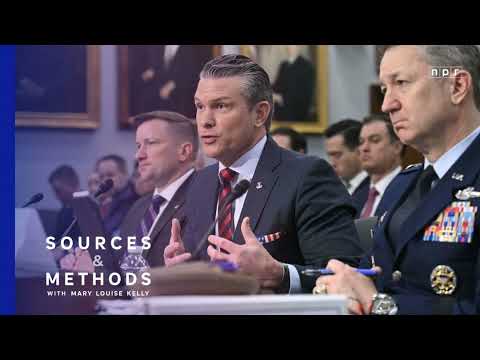
Hegseth blocks promotions / National Guard surge / Downed Apache
Defense Secretary Pete Hegseth is blocking promotions of 24 officers—60% Black or female—without explanation and firing dissenting leaders like General Randy George, creating a climate of fear at the Pentagon, while National Guard troops surge in DC and other cities for crime patrols despite limited effectiveness.
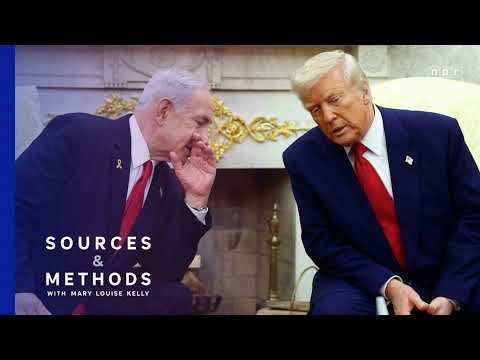
Trump, Netanyahu at odds / Elusive Iran deal
President Trump and Israeli Prime Minister Benjamin Netanyahu are increasingly at odds over how to end the war with Iran, with Trump pursuing diplomatic negotiations while Netanyahu pushes for continued military escalation, creating friction that threatens to undermine potential deals.

Jake Sullivan: 'Hard to see' what U.S. has gained in Iran
Former National Security Advisor Jake Sullivan argues that the Trump administration's military conflict with Iran has backfired strategically, leaving the US worse off with a closed Strait of Hormuz and emboldened hardliners, while warning that proposed military intervention in Cuba fails essential criteria for justified force.