Beijing Summit / Trump and Xi as allies, rivals and frenemies
TL;DR
Trump and Xi Jinping met in Beijing focusing on managing tensions rather than escalating them, with China emphasizing stability while the US pushed for economic access and cooperation on Iran, marking a stark contrast to their 2017-2018 trade war period.
🤝 Summit Dynamics and Priorities 3 insights
China prioritizes stability above all else
Beijing's readout emphasized stability in trade, geopolitics, and Taiwan relations as China faces sluggish economy, high unemployment, and supply chain disruptions.
US brings CEO delegation on Air Force One
Trump traveled with heads of Tesla, Goldman Sachs, and Nvidia to signal business opportunities and push for greater US market access in China.
Taiwan remains the ultimate red line
China views Taiwan as non-negotiable while Trump notably avoided answering questions about Taiwan discussions, highlighting the issue's sensitivity.
⚡ Iran War Complications 2 insights
China refuses to pressure Iran directly
Despite US requests to help reopen the Strait of Hormuz, China blames the US and Israel for starting the conflict and prefers mediation over direct intervention.
Both agree Iran shouldn't have nuclear weapons
This represents one area of consensus between the US and China amid broader disagreements about blame and resolution strategies.
🔄 Relationship Evolution 3 insights
Dramatic tone shift from trade war era
Trump moved from imposing 145% tariffs and launching trade wars in 2018 to emphasizing 'love,' 'happiness,' and 'peace' in current talks.
Managing rivalry instead of escalating
The administration now focuses on using economic leverage while maintaining supply chains rather than pursuing confrontational policies.
China promotes 'peaceful coexistence' messaging
Beijing released promotional videos stating 'the Pacific Ocean is vast enough for both to prosper' while positioning the choice for cooperation on the US.
Bottom Line
Both leaders are prioritizing relationship management over confrontation, with China seeking stability during economic challenges and the US pursuing economic opportunities while avoiding escalation on sensitive issues like Taiwan.
More from How I Built This (NPR)
View all
Starmer’s successor / Reset on UK-US relationship? / Strait latest
Amid historic political instability that has seen seven prime ministers in ten years since Brexit, Keir Starmer resigned due to record-low approval ratings, positioning Manchester Mayor Andy Burnham as his likely successor while the UK navigates strained US relations and deepens its military commitment to Ukraine.

Iran “deal” / Winners and losers / Regional impact
A preliminary three-page US-Iran deal ends four months of war by reopening the Strait of Hormuz and launching 60-day nuclear negotiations, revealing a dramatic reshuffling of regional power that strengthens Iran's regime, isolates Israel, and exposes growing rifts between Washington and its traditional Middle East allies.

Vogue's new leader on why the magazine still matters | Newsmakers
Chloe Malle, the new head of editorial content for American Vogue, discusses her unconventional career path from real estate reporter to fashion authority, arguing that Vogue's curation and authority matter more than ever in an era of digital noise and global uncertainty.
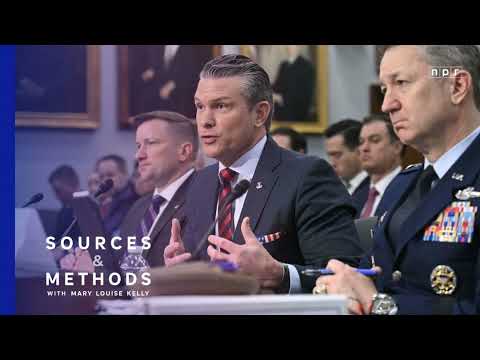
Hegseth blocks promotions / National Guard surge / Downed Apache
Defense Secretary Pete Hegseth is blocking promotions of 24 officers—60% Black or female—without explanation and firing dissenting leaders like General Randy George, creating a climate of fear at the Pentagon, while National Guard troops surge in DC and other cities for crime patrols despite limited effectiveness.