Dave Chappelle wants his audience to ‘remember how good it feels to be together’ in turbulent times
TL;DR
Dave Chappelle discusses restoring a historic building to save his local NPR station in Yellow Springs, Ohio, while defending comedy's function as society's emotional processor and addressing the double standards he faces regarding his controversial performance in Saudi Arabia.
🏘️ Hometown Investment & Roots 3 insights
Renovated historic schoolhouse to save NPR station
Purchased and restored the dilapidated Union Schoolhouse to provide permanent offices for WISO, preventing the local affiliate from leaving Yellow Springs and preserving what he calls the community's 'connective tissue.'
Found refuge in Ohio small town
Moved to Yellow Springs in 2000 to care for his dying father and remained because locals treat him with 'baseline normalcy,' protecting his privacy across economic ups and downs without celebrity deference.
Reciprocal relationship with community
Views the investment as returning support to a town that has sheltered his family and provided his son with internship opportunities at the station that sparked new aspirations.
🎭 Comedy's Societal Function 3 insights
Comedians serve as the nation's kidney
Describes comedy as essential for metabolizing facts and feelings, helping audiences process the 'avalanche' of information that journalism presents but cannot contextualize emotionally.
Doesn't court controversy but won't flinch
Rejects labels like 'provocative' or 'polarizing,' attributing his boundary-pushing style to his roots in raw nightclub environments rather than a desire to shock.
Evolved from local comic to cultural ambassador
Recognizes that while domestic audiences often view him through a racial lens, international audiences see him as a representative of American culture broadly.
🌍 Navigating Controversial Performances 3 insights
Defended Saudi Arabia festival appearance
Headlined a comedy festival in Riyadh despite the murder of Jamal Khashoggi, creating space for young Middle Eastern comedians who had previously performed only in secret underground shows.
Highlighted corporate double standards
Criticized the selective outrage over his Saudi performance, noting that the US government, Netflix, and major corporations conduct business there without equivalent scrutiny.
Suggests racial bias in criticism
Framed backlash against his earnings as part of a pattern where 'as soon as a black man can make money off the plantation, they try to tell you that the money is dirty.'
⚖️ Media Ethics & Independence 2 insights
Maintains strict editorial separation
Treats his relationship with the NPR affiliate as 'church and state,' accepting that the station may air criticism of his work without interference from his production company.
Supports public broadcasting principles
Broke his usual media silence specifically to amplify the importance of ethical, independent community journalism and public radio infrastructure.
Bottom Line
Authentic artistic influence requires both the courage to speak uncomfortable truths without flinching and the wisdom to invest in community institutions while preserving their editorial independence from your own power.
More from How I Built This (NPR)
View all
The radical pastor Hegseth invited to preach at the Pentagon shares his vision for America | NPR
Pastor Doug Wilson, a self-described Christian nationalist who preached at the Pentagon at Defense Secretary Pete Hegseth's invitation, details his vision for transforming America into a Christian theocracy through incremental legal changes while maintaining influence through classical education networks and high-level political access.
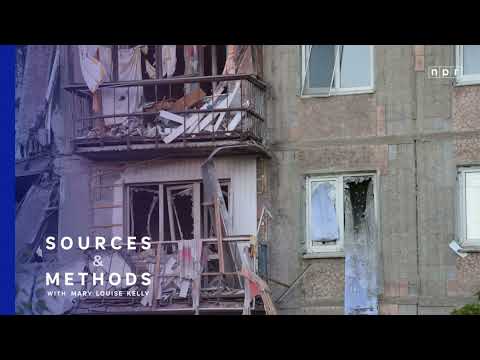
Ukraine latest / Limits of military might / Can major powers regain dominance?
Ukraine's innovative use of air, sea, and ground drones has allowed it to resist Russia's larger military force, creating a new asymmetric warfare model where smaller powers can effectively challenge superpowers—a pattern also seen in Iran's standoff with the U.S. in the Strait of Hormuz.
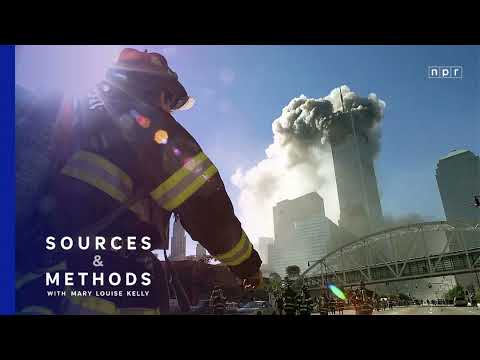
How far should the government go to protect America?
Former Bush and Obama administration officials reflect on the legal and moral challenges of crafting America's counterterrorism response to 9/11, revealing how emergency powers granted in 2001 continue to shape presidential authority and civil liberties debates today.

Starmer’s successor / Reset on UK-US relationship? / Strait latest
Amid historic political instability that has seen seven prime ministers in ten years since Brexit, Keir Starmer resigned due to record-low approval ratings, positioning Manchester Mayor Andy Burnham as his likely successor while the UK navigates strained US relations and deepens its military commitment to Ukraine.