LIVE: UN officials brief Human Rights Council on Iran
TL;DR
UN officials condemned both the US and Israeli military strikes killing over 1,000 Iranian civilians and the Iranian government's killing of 7,000+ protesters, warning that external warfare exacerbates domestic repression and cannot deliver legal accountability.
🌍 Foreign Military Strikes & Civilian Impact 3 insights
US and Israel strikes cause mass civilian casualties
Aerial campaigns targeting military and nuclear facilities have reportedly killed over 1,000 civilians, including more than 168 schoolgirls at a Minab primary school, and destroyed hospitals, schools, and world heritage sites.
Attacks violate international humanitarian law
The Special Rapporteur condemned the strikes as unlawful under the UN Charter regardless of stated objectives, while concerns mount over official statements suggesting exemptions from established rules of engagement.
Environmental and infrastructure devastation
Strikes on oil infrastructure and a desalination plant caused toxic environmental consequences with potential long-term public health effects, compounding acute water shortages and temporarily displacing 3 million people.
⚠️ Domestic Repression & Rights Violations 3 insights
Mass killings and detentions during protests
Iranian security forces reportedly killed over 7,000 protesters and detained more than 50,000 people during nationwide demonstrations beginning December 2025, using military-grade weapons and metal pellet ammunition that blinded victims.
Record surge in executions and detainee abuse
Iran recorded 1,639 executions in 2025, including 464 in the three months following June hostilities, while detainees face medical neglect, ill treatment, deaths in custody, and enforced disappearances.
Systematic discrimination and transnational repression
Authorities continued using mandatory hijab laws to repress women, targeted ethnic and religious minorities, imposed internet shutdowns, and increased assassination attempts against journalists and activists abroad.
⚖️ Legal Findings & Recommendations 3 insights
War crimes allegations against both sides
The Fact-Finding Mission found reasonable grounds to believe Israel committed war crimes by intentionally striking Evin prison in June 2025, killing 80 people, while Iranian authorities failed to protect detainees and concealed their fates.
Military escalation risks deepening repression
UN officials emphasized that external military action cannot deliver accountability or justice and risks intensifying the government's systematic use of violence to suppress dissent and punish critics.
Urgent calls for diplomatic resolution
The international community must immediately end hostilities, resume diplomatic dialogue grounded in human rights, implement moratoriums on the death penalty, and preserve evidence for lawful accountability measures.
Bottom Line
Protecting Iranian civilians requires immediately ending all military hostilities and pursuing accountability through international legal mechanisms rather than armed conflict, while centering the human rights and self-determination of the Iranian people.
More from Reuters
View all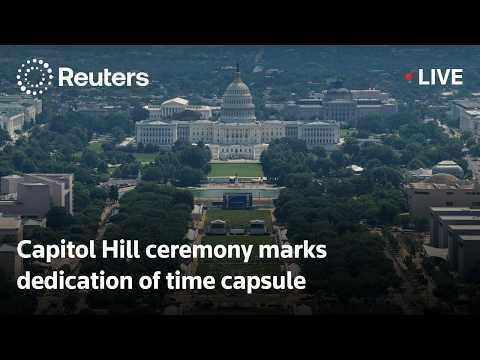
LIVE: Capitol Hill ceremony marks the dedication of time capsule
Congressional leaders gathered to dedicate a time capsule that will be sealed by the 119th Congress and opened in 2276 by the 244th Congress, containing artifacts from every state to commemorate America's 250th anniversary and convey current values to future generations.

What happens when the Federal Reserve goes quiet? | Econ World
New Federal Reserve Chair Kevin Walsh is spearheading a "silent revolution" by eliminating forward guidance and shortening statements to reduce market dependency on Fed signaling, sparking debate over whether less communication enhances or undermines central bank effectiveness during normal economic times.

LIVE: Outgoing British PM Keir Starmer takes questions in parliament
Outgoing Labour Prime Minister Keir Starmer defends his government's record on NHS investment, economic growth, and defense spending while facing sharp criticism from opposition leaders over his resignation and cabinet performance during his final parliamentary questioning session.

LIVE: US World Cup players speak from California base camp
US Men's National Team players highlight their tight-knit chemistry and competitive training culture as drivers of World Cup success, while discussing professional sacrifices, the importance of momentum, and the unique motivation of representing their home country on the West Coast.