Why Everyone Cares About This World Cup
TL;DR
The 2026 World Cup has become an unprecedented cultural experiment, bringing 48 teams and their fans to small-town America and creating surprising connections between international visitors and local communities, while also exposing the complex political tensions within immigrant diasporas.
🏘️ Small Towns on the Global Stage 2 insights
Teams choose unexpected base camps
Rather than major cities, national teams settled in places like Chattanooga (Spain), Greensboro (Norway), and Lawrence, Kansas (Algeria), creating viral moments like superstar Lamine Yamal shopping at Walmart and university marching bands learning the Algerian national anthem.
Local communities embrace global visitors
Residents transformed into supporters by wearing team jerseys and attending matches, turning college towns into centers of international culture and mutual excitement between hosts and guests.
🌏 The Diaspora World Cup 2 insights
Iranian-Americans navigate painful divisions
As the US and Iran remain in military conflict, Iranian diaspora fans wrestle with supporting their team while opposing their government, resulting in complex stadium scenes where the national anthem is booed but the team receives passionate support.
Dual identities on display
Fans like Jordanian-American Farouk and Iranian-American Farhad expressed profound love for America as their adopted home while maintaining fierce loyalty to their birth nations, embodying the immigrant experience of being 'two things' simultaneously.
⚽ Cultural Collision and Discovery 3 insights
International fans challenge preconceptions
Visitors discovered an America they had never seen, from the 'insane' beaches of Florida to the cult phenomenon of Buc-ee's gas stations, with many expressing shock at the hospitality and openness they encountered.
American food wins skeptical converts
Fans from France, Japan, and elsewhere publicly embraced regional specialties including Texas barbecue, Philly cheesesteaks, and the combination of french fries dipped in chocolate milkshakes.
The Tartan Army conquers Boston
Scottish fans, returning to the World Cup for the first time since 1998, overwhelmed Boston with their exuberant 'be loud, be fun, drink the beer' culture, prompting the Boston Globe to dedicate a full page thanking them for their good-natured invasion.
Bottom Line
Despite geopolitical tensions and fears of hostility surrounding the tournament, the World Cup has demonstrated that America remains capable of being a welcoming host where genuine human connections can transcend politics through shared sporting passion.
More from New York Times Podcasts
View all
The Secrets to Being Stink-Free
This podcast episode explains the crucial differences between deodorants and antiperspirants—where the latter uses aluminum compounds to block sweat ducts—and reveals why finding the right product requires extensive personal testing due to unique body chemistry and bacterial flora.

As Trump Purges Immigration Judges, One Speaks Out
This investigation reveals how the Trump administration has systematically transformed the immigration court system—uniquely part of the executive branch—into a deportation tool by firing 115 judges and imposing unprecedented pressure, driving asylum grant rates to historic lows below 10%.

Better Than Store-Bought: The Best Gear for Homemade Popsicles, Slushies, and Ice Cream
Wirecutter's kitchen experts review the best gear for homemade frozen treats, recommending affordable $15 ice pop molds and specific blender techniques while warning against the popular Ninja Creami due to safety concerns and plastic contamination risks.
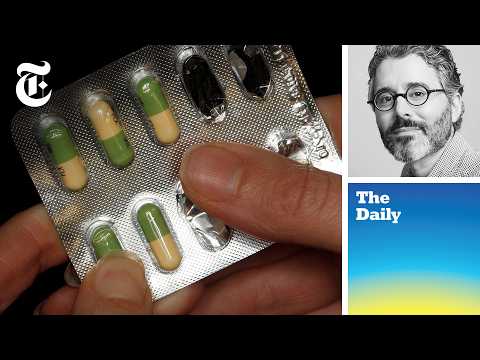
R.F.K. Jr.’s Newest Mission: Getting Us Off Antidepressants
Health Secretary Robert F. Kennedy Jr. is advancing federal policies to incentivize 'deprescribing' of antidepressants, forcing a reckoning within psychiatry over its lack of training and research regarding long-term medication cessation while amplifying patient demands for support in discontinuing SSRIs.