Why Ellie Kildunne Had To Turn Down The Olympics To Become The Best Rugby Player In The World
TL;DR
England rugby star Ellie Kildunne reflects on her meteoric rise to World Player of the Year, detailing the pivotal decision to turn down the Tokyo Olympics for a 15s contract, the dramatic professionalization of women's rugby from 2,000 to 80,000-person crowds, and her philosophy of treating career sacrifices as empowering choices.
🏉 The Olympic Crossroads 2 insights
Turning down Tokyo for 15s contract
After being made redundant from GB Sevens during COVID, Kildunne faced an ultimatum: accept the single available England 15s contract and forfeit Olympic eligibility, or chase her three-year Tokyo dream, ultimately choosing 15s to fully commit to becoming the world's best player.
Paris redemption arc
Despite initially missing Tokyo to prioritize her 15s career, she later competed in the Paris Olympics while maintaining her England contract, validating her belief that "what's meant for you will come back around."
📈 Professionalization & Growth 2 insights
From 2,000 to 80,000 fans
Crowd sizes exploded from her 2017 debut audience of 2,000 to over 80,000 currently, reflecting massive investment and visibility shifts that transformed women's rugby from amateur obscurity to mainstream entertainment.
Eliminating the side hustle
Full-time professional contracts eliminated the need for bar jobs or nannying to survive, allowing athletes to focus entirely on performance rather than balancing employment with elite training.
💼 Redefining Sports Marketing 2 insights
Beyond tick-box inclusivity
Brands have evolved from tokenistic female athlete inclusion to recognizing women's rugby as a distinct commercial opportunity requiring unique creative strategies rather than copy-pasting men's marketing.
Different games, different audiences
Kildunne emphasizes that women's rugby requires separate marketing to reach new demographics rather than competing for existing male rugby fans, noting the distinct playing styles and untapped market potential.
🧠 Mindset & Origins 2 insights
Childhood without barriers
Starting rugby at age 6 as the only girl, she played purely for love without recognizing obstacles like changing in cars or gender exclusion until adulthood, lacking visible female rugby role models until discovering the sport could be a career at 16.
Reframing sacrifice as choice
Kildunne rejects the concept of sacrifice, viewing decisions like moving away at 16 or missing prom as active choices that empower her career control, maintaining that "everything happens for a reason."
Bottom Line
Bet on your long-term potential over immediate opportunities by treating career decisions as empowering choices rather than burdens, while recognizing that women's sports require distinct investment and marketing strategies to capture their full value.
More from Forbes
View all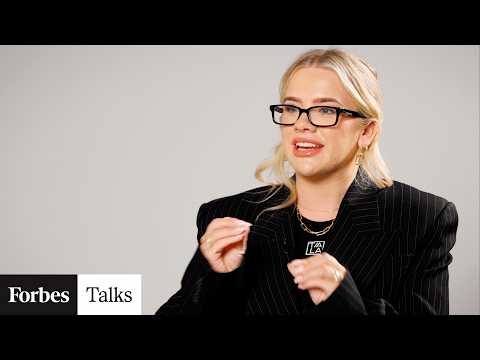
How Grace Beverley Built A Multimillion-Dollar Lifestyle Empire
Grace Beverley details how she built Tala into a multimillion-dollar sustainable activewear brand by rejecting traditional VC funding in favor of a revenue-share manufacturing partnership, prioritizing transparent sustainability over perfection, and restructuring early to protect long-term brand integrity over short-term profits.

How sunday Became A Restaurant Fintech Unicorn By Killing The Paper Check
Christine de Wendel, co-founder of Sunday, details how the restaurant fintech company grew to process $5 billion annually by replacing paper checks with QR code payments, saving restaurants an average of 12 minutes per table turn while integrating with existing POS systems.

The Accidental F1 Racetrack: How A Real Estate Gamble Brought Formula One Back To America
Bobby Epstein, founding partner of Circuit of the Americas, explains how a 2005 residential land purchase accidentally became America's premier Formula 1 venue, generating $7 billion in economic impact by operating as a year-round entertainment 'theater' rather than just a racetrack.

How Ants Inspired This Founder To Build A Robotic Vacuum Cleaner
Rodney Brooks traces his journey from building circuits in an Australian garage to inventing the Roomba, explaining how observing ants in Thailand inspired behavior-based robotics that made affordable home robots possible, and details his current work automating warehouses through Robust AI.