The WORST Financial Advice Everyone STILL Follows
TL;DR
Most people destroy wealth by obsessing over $5 lattes while ignoring six-figure decisions on housing and cars, when simply buying used vehicles for cash and shopping mortgage rates saves more money than a lifetime of skipped coffees.
🎯 The Attention Paradox 3 insights
Small purchases dominate mental energy
People spend 30 minutes debating $150 purchases but only seconds analyzing $600,000 home affordability, despite the home decision having 4,000 times greater financial impact.
The true cost of housing dwarfs daily splurges
A $600,000 home costs $1.34 million after 30-year mortgage interest, equivalent to 243,000 Starbucks lattes, yet buyers scrutinize daily coffee more than interest rates.
Micro-optimization blinds macro-mistakes
Obsessing over $12 monthly subscriptions while signing $700 monthly car payments creates a false sense of financial discipline that masks massive wealth destruction.
🏠 Housing & Mortgage Strategy 3 insights
Mortgage rate shopping saves thousands annually
Negotiating between banks can reduce a 6.3% rate to 5.9%, saving hundreds monthly compared to accepting the first lender's quote.
Modest housing frees massive cash flow
Choosing a $450,000 mortgage over $600,000 reduces payments by nearly $1,000 monthly, creating immediate capital for investments.
Primary homes are lifestyle choices, not investments
Buyers purchasing between 2022-2024 learned this lesson when they were forced to sell at losses, proving homes don't always appreciate.
🚗 The Vehicle Wealth Trap 3 insights
New car payments are silent wealth killers
With average payments exceeding $700 and many over $1,000, Americans trade vehicles immediately after paying off loans rather than driving them payment-free for years.
Buy used reliability, drive it forever
Purchasing 5-7 year old vehicles like Tesla Model Ys or Toyota Corollas for $15,000-$25,000 cash and driving them to 300,000 miles eliminates payments entirely.
Depreciation hits new cars hardest
Letting the first owner absorb the steepest depreciation allows you to own a car that maintains value while avoiding interest charges.
🏥 Health Cost Optimization 3 insights
Employer coverage beats individual plans
Group health insurance through an employer or spouse costs exponentially less than individual marketplace plans.
Cash payments slash medical bills
Paying out-of-pocket for minor procedures often costs substantially less than insurance-negotiated rates due to inflated billing practices.
Preventative screening prevents bankruptcy
Blood work catching genetic conditions like high cholesterol early allows management with inexpensive supplements rather than expensive medications later.
Bottom Line
Redirect energy from micromanaging $5 daily expenses toward optimizing the three largest fixed costs—housing, transportation, and healthcare—through strategic downsizing, aggressive rate shopping, and cash purchases of depreciating assets.
More from BiggerPockets
View all
How the U.S. Is Quietly Erasing the $38 Trillion National Debt
The U.S. is using 'financial repression'—keeping interest rates below inflation—to erode the real value of its $38 trillion national debt, effectively transferring wealth from savers to the government while forcing citizens into speculative assets to preserve purchasing power.

"Americans Are Getting RIPPED OFF!" - Trump Vows To DESTROY Credit Cards
Trump's proposal to cap credit card interest rates at 10% appeals to voters burdened by debt, but experts warn it would destroy the unsecured lending model by forcing banks to deny credit to risky borrowers and slash existing credit limits.

It Started: The Largest ‘Economic Reset’ Is Happening - AGAIN!
We are entering the fifth industrial revolution where AI and robotics will integrate into most jobs by 2030, creating a narrow window for wealth generation through infrastructure investing and consulting similar to the dot-com and social media eras.
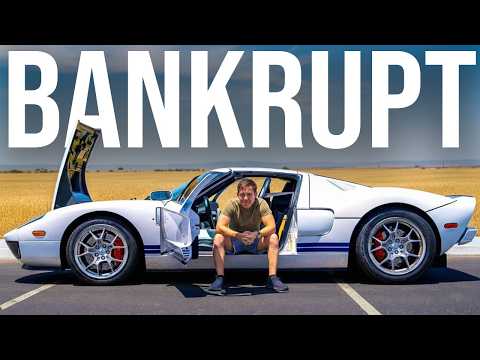
Why Car YouTubers Are Going Broke (Everyone Is Selling)
Car YouTubers who thrived during 2020-2021's artificial bubble of inflated used car prices and tripled viewership are now facing financial strain as the market corrects, ad revenue plummets 20-80%, and unsustainable overhead forces mass liquidations of supercar collections.