The Walt Disney Company: The most successful enterprise for monetizing human nostalgia (Audio)
TL;DR
The Acquired podcast traces Walt Disney's early formation from a childhood realization that art could generate profit in Marceline, Missouri, to his strategic pivot into the nascent animation industry in Kansas City, establishing the technology-driven foundation that would separate Disney from traditional Hollywood studios.
🎨 The Art-Commerce Connection 3 insights
Nickel horse drawing forged business mindset
A neighbor paid young Walt a nickel to draw his horse and framed it, creating the foundational realization that artistic talent could generate commercial value.
Marceline's idyllic memory masked economic hardship
Though Walt remembered Marceline as the idyllic inspiration for Main Street USA, the family actually endured harsh farming poverty before Elias Disney's entrepreneurial failure forced their move to Kansas City.
Early hustle monetized artistic skill
While delivering newspapers for his father's route, Walt earned spending money by drawing frames for local barber shops, demonstrating early resourcefulness in funding his creative work.
🎬 Strategic Technology Pivot 3 insights
Targeted nascent industry over established arts
Walt chose animation specifically because the twenty-year-old technology-based medium offered opportunity to become world-class quickly, unlike saturated fields like oil painting.
Laugh-O-Grams proved commercial viability
While apprenticing at the Kansas City Slide Company, Walt created 'Laugh-O-Grams' using borrowed equipment and sold them to local theaters, validating that audiences would pay for animated entertainment beyond advertising.
Fusion of technology and art created moat
Disney's early advantage stemmed from treating animation as a technology business requiring cameras and film innovation rather than pure artistry, establishing a playbook for future bets on synchronized sound and multiplane cameras.
🏗️ Early Business Architecture 2 insights
First partnership placed collaborator first
Walt's initial venture was named 'Iwerks-Disney Commercial Artists,' placing Ub Iwerks first alphabetically to avoid sounding like an optometrist shop, signaling Walt's willingness to prioritize business practicality over ego.
Kansas City origins preceded Hollywood
Contrary to popular belief, the Walt Disney Company began in Kansas City rather than California, with Walt developing his animation techniques at the Kansas City Slide Company before relocating.
Bottom Line
Disney's enduring competitive advantage began with Walt's strategic decision to enter the nascent animation technology sector rather than compete in established art forms, treating content creation as a technology business first and laying the groundwork for the flywheel model that dominates modern entertainment.
More from Acquired
View all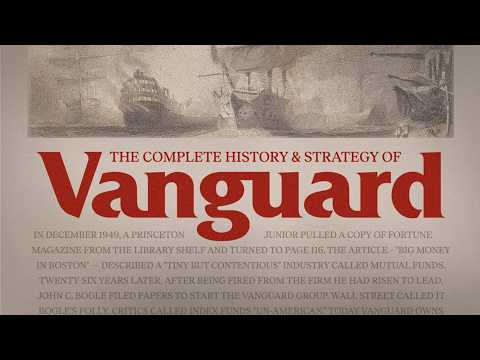
Vanguard: The communist capitalist who saved investors a trillion dollars (Audio)
Vanguard, founded by Jack Bogle in 1975, created the first index fund for individual investors and pioneered a customer-owned corporate structure that has saved investors $1 trillion in fees, while managing over $10 trillion to become the largest shareholder of most US corporations.

Ferrari: What happens when you staple a luxury brand to a sports team? (Audio)
Ferrari has constructed the world's most valuable automotive company by mass-producing cultural dreams while manufacturing only 14,000 cars annually, achieving a higher market capitalization than Ford despite producing 160 times fewer vehicles through radical scarcity and brand mystique.

Formula 1 (Audio)
Formula 1 evolved from a post-WWII hobby for bankrupt British racers into the world's most popular annual sporting series reaching 827 million viewers, transforming from a money-losing passion project for wealthy owners into a professionally managed global business under Liberty Media.

The NFL (2026 Update)
The NFL evolved from a violent 19th-century college ritual into America's most valuable media property by strategically legitimizing professional play through strict separation from amateur football and pioneering equal revenue sharing, while modern streaming deals and private equity investment continue to reshape the league.