The Vergecast Vergecast, 2026 edition | The Vergecast
TL;DR
The Verge redesigned its homepage to separate real-time social feeds from curated magazine content, addressing different user consumption habits while outlining plans to integrate with open protocols like BlueSky to reduce platform dependency and build direct audience relationships.
🏠 Homepage Architecture & User Experience 3 insights
Split-screen design serves dual audiences
The new layout separates a reverse-chronological social feed (RevCron) on the right for real-time updates from a curated 'story sets' magazine layout on the left for major news events, accommodating both fire-hose seekers and casual readers.
Desktop-first approach addresses professional users
Unlike the previous mobile-first redesign, the new site prioritizes desktop experiences after realizing many users keep The Verge open on second monitors at work.
Story sets replace algorithmic pinning
Editors can now group related stories into magazine-style covers with explanatory headlines rather than fighting to pin important stories in a chaotic stream.
💰 Monetization & Subscription Strategy 3 insights
Promoted posts outperform banner ads dramatically
New 'quick post ads' inserted into the social feed generate approximately 17 times more engagement than traditional banner advertisements while providing clearer disclosure to users.
Curated content drives subscription conversions
The magazine-style left side surfaces premium journalism that demonstrates unique Verge value, helping convert casual visitors into paying subscribers.
Email digests boost retention
Users following specific topics receive automated email digests with high open rates, creating a new direct entry point to the site beyond the homepage.
🌐 Open Social Web & Platform Independence 3 insights
BlueSky represents ideal distribution model
Editor-in-chief Neil Patel argues that if starting The Verge today, they would launch as a BlueSky server because open protocols offer distribution no single CEO can throttle, unlike YouTube or TikTok.
Quick posts will federate across protocols
The publication plans to transform WordPress-based quick posts into portable 'social objects' that can interact with ActivityPub and BlueSky, allowing replies on those platforms to appear on The Verge.
Traffic conversion over traffic dependency
The strategy focuses on converting passing traffic into direct audience relationships rather than relying on volatile platform algorithms from Google or social networks.
📊 Audience Behavior & Content Strategy 3 insights
AI dominates topic following
Artificial intelligence is by far the most followed topic on the platform, followed closely by News, Gadgets, and Business, which collectively reveal how readers use the site for work, utility, and entertainment.
Writers remain blind to follower metrics
Unlike social platforms, The Verge does not show writers their follower counts to prevent internal competition and maintain editorial focus on quality rather than metrics.
Three distinct user 'jobs' identified
Analytics reveal users rely on The Verge primarily as a breaking news utility, a gadget enthusiast destination, or a professional business resource, informing content prioritization.
Bottom Line
Media companies should prioritize building direct audience relationships through open protocols and owned platforms rather than optimizing for algorithmic distribution they don't control.
More from The Verge
View all
The life-changing magic of touching stuff | The Vergecast
Author Ian Bogost argues that modern life has undergone 'dematerialization,' stripping away the small sensory interactions with physical objects that quietly generated contentment, and suggests that reclaiming these moments of 'gratification' requires noticing and communing with the material world rather than abandoning technology.
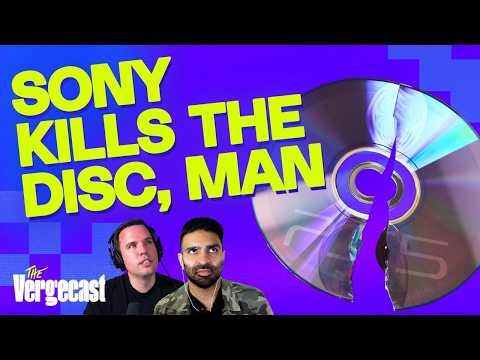
The video game disc is dead | The Vergecast
Sony announced it will stop manufacturing PlayStation discs by 2028 while Microsoft tests disc-to-digital conversion, signaling the end of physical game media amid collapsing console sales, major Xbox layoffs, and the failure of the industry's live-service gamble.

We finally have a Trump Phone | The Vergecast Livestream
The Trump T1 is a rebadged HTC U24 Pro with two-year-old specs and dated hardware that appears designed primarily as a marketing stunt for the Trump Mobile MVNO service, offering surprisingly stock Android software but zero commitment to future updates.

Rivian’s last chance to take on Tesla | The Vergecast
Rivian stands at a critical crossroads with the launch of its R2 SUV, attempting to transition from a luxury niche to mainstream success amid the elimination of federal EV tax credits, rising gas prices, and the urgent need to prove it can scale production while maintaining quality.