The Truth About Counterfeit Beauty Products Online
TL;DR
An investigative report reveals that counterfeit beauty products are pervasive on major e-commerce platforms, with laboratory testing of items purchased from Amazon, Walmart, eBay, and Shein showing all 12 samples were fraudulent, expired, or tampered with, posing serious health risks to consumers.
🔬 Laboratory Testing Results 3 insights
100% of tested products were fraudulent
All 12 samples purchased from third-party sellers on Amazon, Walmart, eBay, and Shein were deemed counterfeit, expired, or tampered with by cosmetic chemist Rachel Johnson.
Spectroscopy revealed severe chemical discrepancies
FTIR testing showed five products were below 80% match to authentic versions, with one Nars concealer registering only a 2% similarity to its genuine counterpart.
Sensory analysis detected critical differences invisible to consumers
Expert 14-point sensory evaluation found textural and visual inconsistencies in color, shine, and absorption that were only apparent during side-by-side comparison with authentic items.
🚚 Supply Chain Vulnerabilities 3 insights
Third-party marketplaces lack regulatory oversight
Unlike authorized retailers, third-party channels involve multiple unregulated handoffs between liquidation brokers, creating opportunities for counterfeits to enter inventory at various points.
First-party sellers maintain direct manufacturer relationships
Authorized retailers like Sephora, Ulta, and brand websites operate under strict contracts ensuring products travel directly from manufacturers to consumers without intermediary tampering.
Fraudulent sellers pose financial theft risks
Attempts to purchase from suspicious third-party websites resulted in credit card scams, including a $2,100 unauthorized international charge shortly after transaction attempts.
⚠️ Consumer Detection Challenges 3 insights
Counterfeit packaging is visually convincing
Fake products often feature identical logos, tubes, and labels that appear authentic until compared directly with genuine merchandise, making online verification nearly impossible.
Product consistency reveals dangerous manufacturing
Samples showed discoloration, incorrect texture, and poor absorption indicating production in unregulated environments rather than professional facilities.
Unregulated cosmetics pose serious health hazards
Counterfeit beauty products may contain harmful raw materials that cause allergic reactions, skin infections, or other adverse medical conditions requiring professional treatment.
Bottom Line
Only purchase beauty products from authorized first-party retailers or directly from brand websites to ensure authenticity and avoid potentially dangerous counterfeit goods.
More from New York Times Podcasts
View all
As Trump Purges Immigration Judges, One Speaks Out
This investigation reveals how the Trump administration has systematically transformed the immigration court system—uniquely part of the executive branch—into a deportation tool by firing 115 judges and imposing unprecedented pressure, driving asylum grant rates to historic lows below 10%.

Better Than Store-Bought: The Best Gear for Homemade Popsicles, Slushies, and Ice Cream
Wirecutter's kitchen experts review the best gear for homemade frozen treats, recommending affordable $15 ice pop molds and specific blender techniques while warning against the popular Ninja Creami due to safety concerns and plastic contamination risks.
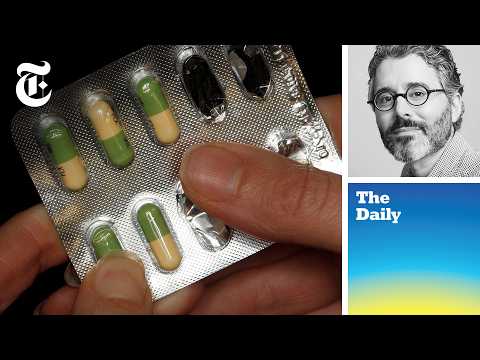
R.F.K. Jr.’s Newest Mission: Getting Us Off Antidepressants
Health Secretary Robert F. Kennedy Jr. is advancing federal policies to incentivize 'deprescribing' of antidepressants, forcing a reckoning within psychiatry over its lack of training and research regarding long-term medication cessation while amplifying patient demands for support in discontinuing SSRIs.

Art, Outrage and How the Culture Wars Began
Cultural historian Isaac Butler traces the birth of modern American culture wars to the 1980s and 90s, revealing how tactical playbooks pioneered during the 1970s Kanawha County textbook wars transformed art funding and expression into central political battlegrounds.