LIVE: White House briefing with Karoline Leavitt
TL;DR
White House Press Secretary Karoline Leavitt highlights strong January economic data including 172,000 new jobs and cooling inflation, announces $5 billion in international pledges for Gaza reconstruction, and addresses administration positions on Iran, energy infrastructure, and immigration enforcement.
📈 Economic Performance & Affordability 4 insights
Job growth significantly exceeds predictions
The economy added 172,000 private sector jobs in January, exceeding economist predictions by two and a half times, while federal employment shrank to its lowest level since 1966, saving taxpayers $29 billion annually.
Inflation cooling to multi-year lows
Year-over-year inflation fell to 2.4% in January with core inflation dropping to its lowest level in nearly five years, while real earnings outpaced inflation by nearly $1,400, recovering roughly half of what workers lost under the previous administration.
Housing costs decline sharply
Annual mortgage costs fell by $4,000 and national median rents dropped to 4-year lows, declining nearly $100 annually, attributed in part to deportation efforts reducing housing demand from illegal immigrants.
Consumer prices drop across categories
Gas prices fell 10% to under $3 per gallon nationally with several states below $2, while grocery prices for eggs, dairy, produce, and butter declined since January alongside lower prescription drug costs.
🌍 Foreign Policy & Security 2 insights
$5 billion pledged for Gaza reconstruction
Board of Peace member states pledged over $5 billion for Gaza humanitarian and reconstruction efforts and committed thousands of personnel to international stabilization forces and local police.
Military action against Iran under consideration
While emphasizing diplomacy as the first option, Leavitt confirmed the President is consulting national security advisors on potential strikes, referencing the previous successful 'Operation Midnight Hammer' that destroyed Iran's nuclear facilities.
🏛️ Domestic Policy & Enforcement 3 insights
Pressure on blue states for energy infrastructure
The administration is urging governors in New York and New England to approve pipeline projects like the Constitution pipeline to reduce Northeast energy costs, noting red states currently enjoy significantly lower electricity prices.
Expansion of immigration detention
ICE is coordinating with governors, including New Hampshire's, to open additional detention facilities to handle remaining criminal illegal aliens after approximately 3 million left through deportation or self-deportation over the past year.
Federal response to sewage infrastructure pending
Federal assistance for the Potomac sewage spill requires local jurisdictions to request Stafford Act implementation, with the administration criticizing Maryland Governor Moore for neglecting aging infrastructure that received a near-failing grade from civil engineers.
Bottom Line
The administration is framing early economic metrics as validation of Trump's policy agenda while aggressively pursuing energy infrastructure expansion, immigration enforcement, and positioning military action against Iran as a diplomatic last resort.
More from Reuters
View all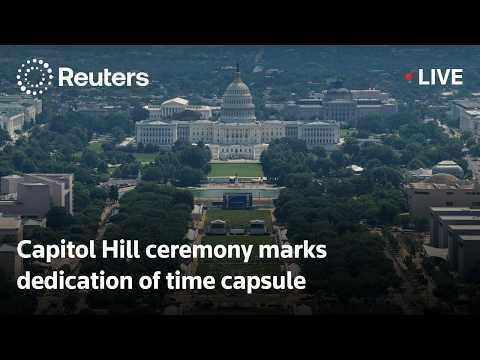
LIVE: Capitol Hill ceremony marks the dedication of time capsule
Congressional leaders gathered to dedicate a time capsule that will be sealed by the 119th Congress and opened in 2276 by the 244th Congress, containing artifacts from every state to commemorate America's 250th anniversary and convey current values to future generations.

What happens when the Federal Reserve goes quiet? | Econ World
New Federal Reserve Chair Kevin Walsh is spearheading a "silent revolution" by eliminating forward guidance and shortening statements to reduce market dependency on Fed signaling, sparking debate over whether less communication enhances or undermines central bank effectiveness during normal economic times.

LIVE: Outgoing British PM Keir Starmer takes questions in parliament
Outgoing Labour Prime Minister Keir Starmer defends his government's record on NHS investment, economic growth, and defense spending while facing sharp criticism from opposition leaders over his resignation and cabinet performance during his final parliamentary questioning session.

LIVE: US World Cup players speak from California base camp
US Men's National Team players highlight their tight-knit chemistry and competitive training culture as drivers of World Cup success, while discussing professional sacrifices, the importance of momentum, and the unique motivation of representing their home country on the West Coast.