Fab 5 to CEO: Inside The Business Portfolio of Jalen Rose
TL;DR
Former NBA star Jalen Rose details his evolution from athlete to entrepreneur, sharing his investment philosophy in stocks and real estate, his new Detroit-focused production company with Tom Gores, and his mission to build generational wealth through education and media ventures.
💰 Investment Strategy & Financial Philosophy 4 insights
Invest in what you purchase daily
Rose advocates buying stock in companies whose products you use, citing Amazon and Apple as his best-performing investments because he uses their services constantly.
Balance stocks with tangible assets
He maintains a balanced portfolio combining stock market investments with tangible assets like real estate to ensure financial longevity beyond his playing career.
Learning from missed opportunities
Rose regrets passing on early investment opportunities in Uber and Zoom, recognizing too late the potential of services he used regularly.
Interest in logistics and AI
He currently favors shipping, railroad, and logistics companies that support Amazon's supply chain, along with emerging AI technologies.
🎬 Same Page Entertainment & Media Ventures 3 insights
Partnership with Tom Gores
Rose co-founded Same Page Entertainment with Detroit Pistons owner Tom Gores, combining resources to create multimedia content including films, documentaries, and podcasts.
Seven-figure personal investment
He confirmed investing substantial personal capital, potentially over $1 million, to establish true partnership equity rather than simply licensing his name.
Detroit-centric content strategy
The company aims to highlight Detroit-based talent through projects like the docu-series "Southwest High" and "Meal Ticket," keeping production based in downtown Detroit rather than Los Angeles or New York.
🎓 Education & Legacy Building 3 insights
Jalen Rose Leadership Academy
For 16 years, Rose has operated a public high school in Detroit that provides education to local youth and keeps him connected to community challenges like violence and social media pressures.
The rich versus wealthy distinction
Rose credits his business partner Tom Gores for teaching him the critical difference between being rich (earning income) and being wealthy (building generational assets and equity).
Fatherhood as a business catalyst
The birth of his daughters in 2000 and 2006—bookending his NBA Finals appearance and retirement—fundamentally shifted his decision-making toward laying foundations for generational success.
🚀 Career Evolution & Mindset 2 insights
Lead with current value, not past fame
Rose explains that he now introduces himself as an entrepreneur and educator rather than a former NBA player, noting that people care about what you're doing now, not what you accomplished decades ago.
From athlete to multimedia entrepreneur
His current identity encompasses being founder of Same Page Entertainment, executive producer, DJ (Motown Clown), and multimedia content creator across sports, movies, and podcasting.
Bottom Line
Build lasting wealth by investing personally in ventures you understand, balancing stock portfolios with tangible real estate assets, and constantly evolving your identity from what you did to what you're currently building for the next generation.
More from Forbes
View all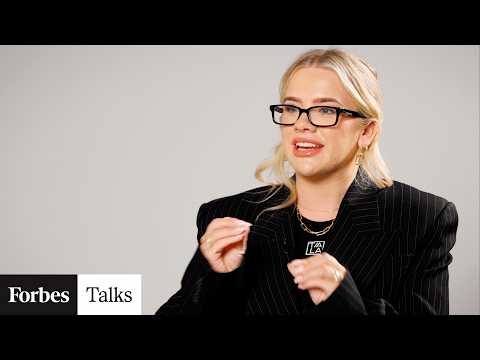
How Grace Beverley Built A Multimillion-Dollar Lifestyle Empire
Grace Beverley details how she built Tala into a multimillion-dollar sustainable activewear brand by rejecting traditional VC funding in favor of a revenue-share manufacturing partnership, prioritizing transparent sustainability over perfection, and restructuring early to protect long-term brand integrity over short-term profits.

How sunday Became A Restaurant Fintech Unicorn By Killing The Paper Check
Christine de Wendel, co-founder of Sunday, details how the restaurant fintech company grew to process $5 billion annually by replacing paper checks with QR code payments, saving restaurants an average of 12 minutes per table turn while integrating with existing POS systems.

The Accidental F1 Racetrack: How A Real Estate Gamble Brought Formula One Back To America
Bobby Epstein, founding partner of Circuit of the Americas, explains how a 2005 residential land purchase accidentally became America's premier Formula 1 venue, generating $7 billion in economic impact by operating as a year-round entertainment 'theater' rather than just a racetrack.

How Ants Inspired This Founder To Build A Robotic Vacuum Cleaner
Rodney Brooks traces his journey from building circuits in an Australian garage to inventing the Roomba, explaining how observing ants in Thailand inspired behavior-based robotics that made affordable home robots possible, and details his current work automating warehouses through Robust AI.